Tesamorelin
Also known as: egrifta, TH9507, th-9507, tesamorelin acetate
FDA-approved GHRH analogue researched for visceral fat reduction and GH deficiency.
Quick Reference
Tesamorelin - Research Images
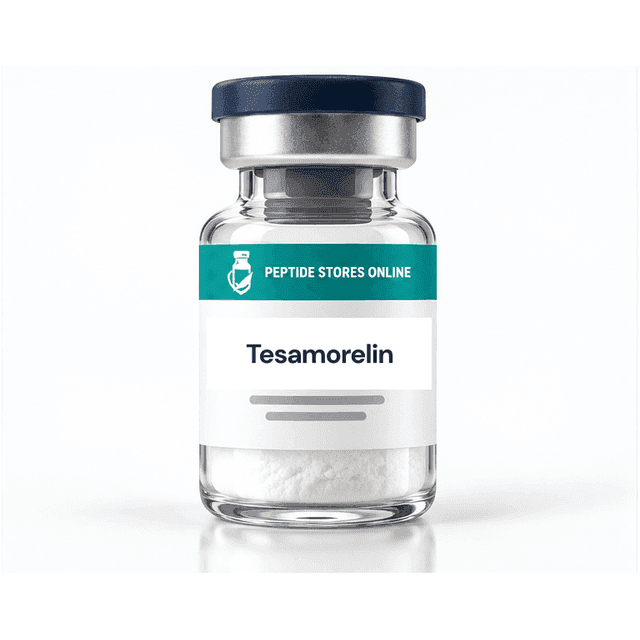
PSO vial render · Scientific images from Wikipedia · Tap to enlarge
Overview

Pharmaceutical drug
Tesamorelin is a synthetic form of growth-hormone-releasing hormone (GHRH) which is used in the treatment of HIV-associated lipodystrophy, approved initially in 2010. It is produced and developed by Theratechnologies, Inc. of Canada. The drug is a synthetic peptide consisting of all 44 amino acids of human GHRH with the addition of a trans-3-hexenoic acid group.
Mechanism of Action
Tesamorelin is a synthetic form of growth-hormone-releasing hormone (GHRH) which is used in the treatment of HIV-associated lipodystrophy, approved initially in 2010. It is produced and developed by Theratechnologies, Inc. of Canada. The drug is a synthetic peptide consisting of all 44 amino acids of human GHRH with the addition of a trans-3-hexenoic acid group.
What is Tesamorelin?
Tesamorelin is a synthetic, stabilized copy of growth hormone-releasing hormone, the natural signal that tells the pituitary gland to release growth hormone. Researchers study it mainly for deep belly fat, called visceral fat. In clinical trials it reduced visceral fat and liver fat in people living with HIV.
How It Works - Simply Explained
Instead of supplying growth hormone directly, tesamorelin asks the pituitary to make its own. It attaches to growth hormone-releasing hormone receptors on pituitary cells, prompting natural, pulsed growth hormone release, which then raises IGF-1. Because the body keeps its normal feedback controls, researchers see this as a more physiological signal than bypassing the pituitary. Visceral fat appears especially responsive to this restored growth hormone pattern in studies.
What Studies Have Found
Visceral belly fat fell 15.2 percent in a landmark trial
In a randomized trial of 412 people with HIV and excess abdominal fat, published in a leading medical journal, visceral fat measured by CT scan fell by 15.2 percent in the tesamorelin group over 26 weeks while it rose in the placebo group. Blood fat measures also improved, and growth hormone and IGF-1 markers rose, confirming the intended pathway was active.
Falutz J et al., 2007, New England Journal of Medicine
A second large trial confirmed the belly-fat result
A second randomized, placebo-controlled trial in a similar population again found a double-digit reduction in visceral fat, along with improvements in triglycerides and in how participants rated distress about their body shape. Having two independent large trials point the same way is what made this research program stand out from most growth hormone secretagogue work.
Falutz J et al., 2010, Journal of Acquired Immune Deficiency Syndromes
Liver fat dropped and scar progression slowed
In a 12-month trial in people with HIV and fatty liver disease, liver fat fell by about a third in relative terms in the tesamorelin group while rising slightly with placebo. About 35 percent of treated participants returned to a liver fat level below 5 percent, compared with 4 percent on placebo, and fewer treated participants saw liver scarring get worse during the study.
Stanley TL et al., 2019, The Lancet HIV
Earlier liver study pointed the same way
Before the larger liver trial, researchers reported that tesamorelin reduced liver fat in people with HIV who had fatty liver changes, alongside the expected reduction in visceral fat. That early signal is what justified the bigger, biopsy-based follow-up study published in 2019.
Stanley TL et al., 2014, JAMA
Benefits faded when the signal stopped in extension research
In extension phases of the belly-fat trials, participants who continued in the tesamorelin group largely maintained their visceral fat reductions, while those switched to placebo tended to regain visceral fat. Researchers read this as evidence the effect depends on the ongoing pituitary signal, rather than a permanent change.
Falutz J et al., 2010, Journal of Clinical Endocrinology and Metabolism, pooled phase 3 analysis
Last updated 2026-10-12. New findings are added as published research appears.
Frequently Asked Questions
What is tesamorelin?
Tesamorelin is a synthetic, stabilized analogue of human growth hormone-releasing hormone, a 44-amino-acid natural signal. Researchers study how restoring the pituitary growth hormone signal affects visceral fat, liver fat, and related metabolic markers. Material sold here is for laboratory research use only.
How is tesamorelin different from sermorelin?
Both act on the same pituitary receptor family. Sermorelin is based on the first 29 amino acids of the natural hormone, while tesamorelin is based on the full-length form and was chemically stabilized to last longer in the body. Their published research focuses also differ: tesamorelin has large trials on visceral and liver fat in HIV populations.
What is visceral fat and why do researchers target it?
Visceral fat is the deep fat stored around organs inside the abdomen, as opposed to fat just under the skin. It is closely linked in research to metabolic and cardiovascular risk, which is why trials measure it directly with CT or similar imaging instead of relying on body weight alone.
Has tesamorelin been studied in humans?
Yes. Unlike many research peptides, tesamorelin has multiple large randomized human trials, including two phase 3 belly-fat trials and a liver-fat trial with biopsies. Those trials were in specific populations, mainly people living with HIV, so results should not be generalized beyond the populations studied.
Is tesamorelin the same as growth hormone?
No. Tesamorelin is a releasing signal. It prompts the pituitary gland to release the body's own growth hormone in pulses, keeping normal feedback in place, rather than supplying growth hormone from outside.
What side effects were reported in tesamorelin trials?
Trial reports commonly listed joint aches, muscle aches, swelling, stomach discomfort, and skin redness or itching at the study site, and blood sugar control worsened more often in treated groups in some reports. Any compound sold here remains for laboratory research only, regardless of clinical trial history.
What Researchers Are Saying
Community Reports - Not Medical Advice
The following is aggregated from public forums, Reddit, and research communities. These are anecdotal reports from researchers only - not verified clinical data and not a recommendation of any kind.
Tesamorelin (also known as egrifta, TH9507) is studied within the growth hormone axis and body composition research community. FDA-approved GHRH analogue researched for visceral fat reduction and GH deficiency.
Last updated October 28, 2026
Research status: active. Tesamorelin appears across growth hormone axis and body composition research forums and academic literature. Researchers note this compound falls in the growth hormone category.
Last updated October 28, 2026
What Do You Think of This Peptide?
Share your opinion or research experience with Tesamorelin. Comments are reviewed before appearing.