VGF Neuropeptide
Also known as: VGF, TLQP-21, VGF-derived peptides, VGF nerve growth factor inducible
Neuropeptide and neurotrophic factor studied in depression, pain, energy balance, and Alzheimer's disease models.
Quick Reference
VGF Neuropeptide - Research Images
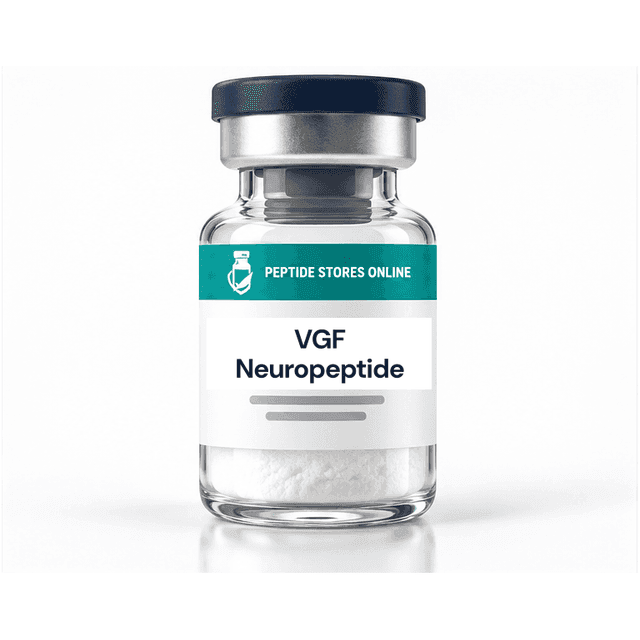
PSO vial render · Scientific images from Wikipedia · Tap to enlarge
Overview

Mammalian protein found in Homo sapiens
VGF or VGF nerve growth factor inducible is a secreted protein and neuropeptide precursor that may play a role in regulating energy homeostasis, metabolism and synaptic plasticity. The protein was first discovered in 1985 by Levi et al. in an experiment with PC12 cells and its name is non-acronymic. VGF gene encodes a precursor which is divided by proteolysis to polypeptides of different mass, which have a variety of functions, the best studied of which are the roles of TLQP-21 in the control of appetite and inflammation, and TLQP-62 as well as AQEE-30 in regulating depression-like behaviors and memory. The expression of VGF and VGF-derived peptides is detected in a subset of neurons in the central and peripheral nervous systems and specific populations of endocrine cells in the adenohypophysis, adrenal medulla, gastrointestinal tract, and pancreas. VGF expression is induced by NGF, CREB and BDNF and regulated by neurotrophin-3. Physical exercise significantly increases VGF expression in mice hippocampal tissue and upregulates a neurotrophic signaling cascade thought to underlie the action of antidepressants.
Mechanism of Action
VGF or VGF nerve growth factor inducible is a secreted protein and neuropeptide precursor that may play a role in regulating energy homeostasis, metabolism and synaptic plasticity. The protein was first discovered in 1985 by Levi et al. in an experiment with PC12 cells and its name is non-acronymic. VGF gene encodes a precursor which is divided by proteolysis to polypeptides of different mass, which have a variety of functions, the best studied of which are the roles of TLQP-21 in the control of appetite and inflammation, and TLQP-62 as well as AQEE-30 in regulating depression-like behaviors and memory. The expression of VGF and VGF-derived peptides is detected in a subset of neurons in the central and peripheral nervous systems and specific populations of endocrine cells in the adenohypophysis, adrenal medulla, gastrointestinal tract, and pancreas. VGF expression is induced by NGF, CREB and BDNF and regulated by neurotrophin-3. Physical exercise significantly increases VGF expression in mice hippocampal tissue and upregulates a neurotrophic signaling cascade thought to underlie the action of antidepressants.
What Researchers Are Saying
Community Reports - Not Medical Advice
The following is aggregated from public forums, Reddit, and research communities. These are anecdotal reports from researchers only - not verified clinical data and not a recommendation of any kind.
VGF Neuropeptide (also known as VGF, TLQP-21) is studied within the cognitive function and neuroprotection research community. Neuropeptide and neurotrophic factor studied in depression, pain, energy balance, and Alzheimer's disease models.
Last updated October 28, 2026
Research status: emerging. VGF Neuropeptide appears across cognitive function and neuroprotection research forums and academic literature. Researchers note this compound falls in the cognitive category.
Last updated October 28, 2026
What Do You Think of This Peptide?
Share your opinion or research experience with VGF Neuropeptide. Comments are reviewed before appearing.