Semaglutide
Also known as: ozempic, wegovy, rybelsus, sema, GLP-1 agonist semaglutide
GLP-1 receptor agonist studied for glycemic control and significant weight reduction.
Quick Reference
Semaglutide - Research Images
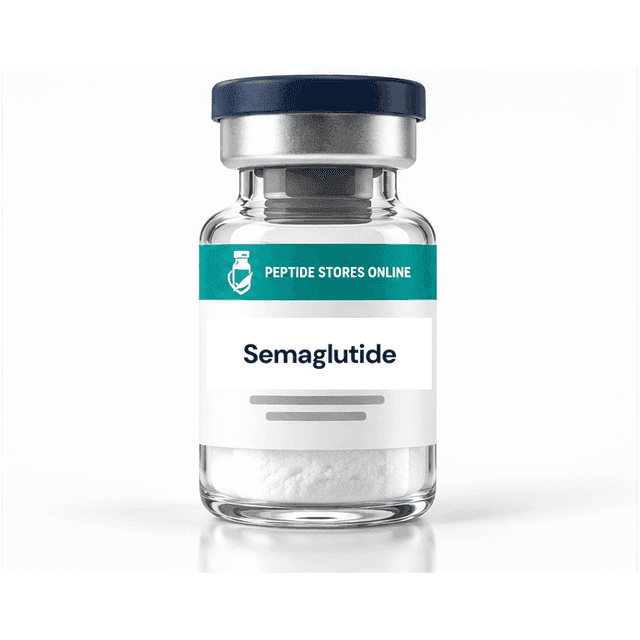
PSO vial render · Scientific images from Wikipedia · Tap to enlarge
Overview

Anti-diabetic and anti-obesity medication
Semaglutide is an anti-diabetic medication used for the treatment of type 2 diabetes, and an anti-obesity medication used for weight management. It can be administered by subcutaneous injection or taken orally. It is sold as a generic drug by several drug companies in the Indian and Canadian markets, and worldwide by its originator, Novo, under the brand names Ozempic and Rybelsus for diabetes; under the brand name Wegovy for weight management; and under the brand names Wegovy and Kayshild for the treatment of metabolic-associated steatohepatitis and liver cirrhosis. Wegovy is also used to reduce the risk of heart attacks.
Mechanism of Action
GLP-1 receptor agonism slows gastric emptying, suppresses appetite via hypothalamic pathways, stimulates glucose-dependent insulin secretion.
What is Semaglutide?
Semaglutide is a laboratory-made copy of GLP-1, a natural gut hormone that helps control blood sugar and appetite. It was developed as a prescription medicine for type 2 diabetes and later obesity, and it became a cultural phenomenon. Researchers also study it for heart, kidney, and brain health, making it one of the most intensively studied peptides in modern medicine.
How It Works - Simply Explained
Semaglutide mimics GLP-1, a hormone the gut releases after eating. In the body, GLP-1 tells the pancreas to release insulin when blood sugar rises, slows how fast food leaves the stomach, and signals fullness to the brain. Semaglutide is engineered to survive much longer than natural GLP-1, so in research models a single weekly exposure keeps these signals active for days.
What Studies Have Found
Produced about 15 percent average weight loss in a landmark trial
In the 68-week STEP 1 trial, adults with obesity receiving weekly semaglutide lost an average of 14.9 percent of body weight versus 2.4 percent with placebo. Roughly a third of participants lost more than 20 percent. Published in 2021, the results reset expectations for what a medication could achieve.
Wilding JPH, et al., 2021, New England Journal of Medicine
Showed heart protection in diabetes patients
The SUSTAIN 6 trial tested semaglutide in people with type 2 diabetes at high cardiovascular risk. Those on the drug had significantly fewer major heart events, establishing that its benefits went beyond blood sugar control alone.
Marso SP, et al., 2016, New England Journal of Medicine
Cut heart events in people with obesity and heart disease
The SELECT trial enrolled more than 17,000 adults with overweight or obesity and established cardiovascular disease but no diabetes. Weekly semaglutide lowered the risk of heart attack, stroke, and cardiovascular death by 20 percent, a first for this kind of medicine.
Lincoff AM, et al., 2023, New England Journal of Medicine
Protected kidneys in diabetic kidney disease
In the FLOW trial, semaglutide slowed the progression of chronic kidney disease and reduced kidney-related events in people with type 2 diabetes. Researchers now view the drug's effects as reaching far beyond appetite.
Perkovic V, et al., 2024, New England Journal of Medicine
New finding added 2026-10-12: Oral form adopted quickly in a 47-million-person record study
In a study published on 7 October 2026, researchers examined health records covering more than 47 million adults eligible for obesity medicines. They found the oral form of semaglutide was adopted quickly after its obesity approval, with new starts approaching the injectable form within about three months, and more than half of people starting the oral form had never used a GLP-1 medicine before. The authors describe this as a study of real-world uptake patterns, not a test of how well the medicine works.
Lei Y et al., 2026, JAMA Network Open
Last updated 2026-10-12. New findings are added as published research appears.
Frequently Asked Questions
What is semaglutide?
Semaglutide is a GLP-1 receptor agonist, a peptide medicine developed for type 2 diabetes and later for chronic weight management. It is one of the most clinically studied peptides in the world, with dozens of major published trials.
How does semaglutide work?
It mimics the natural gut hormone GLP-1: prompting insulin release when blood sugar rises, slowing stomach emptying, and signaling fullness to appetite centers in the brain. The molecule is engineered to last about a week in the body.
What is the difference between semaglutide and tirzepatide?
Semaglutide activates the GLP-1 receptor only, while tirzepatide activates both GLP-1 and GIP receptors. In clinical trials, tirzepatide produced larger average weight loss, but both belong to the same incretin-based drug class.
Is semaglutide FDA approved?
Yes, as prescription medicines for type 2 diabetes, chronic weight management, and reduction of major cardiovascular events in certain patients. Research-use semaglutide sold by chemical suppliers is a separate laboratory product, not for human use.
What side effects were reported in trials?
Trial publications report mostly gastrointestinal effects: nausea, vomiting, and diarrhea, especially during the early weeks. Serious events were uncommon. Full safety data is in the published trial papers.
What did the STEP trials find?
The STEP program tested semaglutide 2.4 mg weekly for weight management. STEP 1 found 14.9 percent mean weight loss at 68 weeks, and later STEP trials confirmed benefits across different populations, including adolescents and people with heart failure.
Is semaglutide a peptide?
Yes. It is a modified 31-amino-acid peptide, chemically engineered from the human GLP-1 sequence for long duration of action.
Why do researchers study semaglutide beyond diabetes?
Major trials have shown benefits for heart disease, kidney disease, and fatty liver, and studies in Alzheimer's disease and addiction are underway. Researchers are mapping how widely GLP-1 signaling reaches across the body.
FDA News About This Compound
What Researchers Are Saying
Community Reports - Not Medical Advice
The following is aggregated from public forums, Reddit, and research communities. These are anecdotal reports from researchers only - not verified clinical data and not a recommendation of any kind.
Semaglutide (also known as ozempic, wegovy) is studied within the metabolic and weight management research community. GLP-1 receptor agonist studied for glycemic control and significant weight reduction.
Last updated October 28, 2026
Research status: active. Semaglutide appears across metabolic and weight management research forums and academic literature. Researchers note this compound falls in the weight loss category.
Last updated October 28, 2026
What Do You Think of This Peptide?
Share your opinion or research experience with Semaglutide. Comments are reviewed before appearing.