BPC-157
Also known as: bpc157 · bpc 157 · body protection compound · body protection compound 157 · pentadecapeptide bpc 157 · PL 14736 · pl14736 · BPC · Body Protection Compound · Gut Healer
For in-vitro (laboratory) research purposes only. Not for human or animal consumption.
Available Forms
Research Applications
Check independent lab results, free
Finnrick Analytics publishes independent lab test results for peptide products from named vendors, and anyone can check the published results for free.
For in-vitro research use only. Not for human consumption.
1What Is BPC-157?
BPC-157 (Body Protection Compound 157) is a synthetic peptide - a short chain of 15 amino acids - that was originally derived from a protein naturally found in human stomach acid. It was developed by researchers studying how the digestive system protects and repairs itself. Today it is one of the most widely studied peptides in pre-clinical research, with scientists investigating its potential effects on tissue healing, inflammation, and the gut-brain connection. It is sold strictly for laboratory research and is not approved for human use.
2History & Discovery
BPC-157 was first isolated and characterized by researchers at the University of Zagreb, Croatia, in the early 1990s. The team, led by Dr. Predrag Sikiric, was studying protective factors found naturally in gastric juice - the acid your stomach produces to break down food. They identified a short sequence of amino acids that seemed to be unusually resistant to breakdown and appeared to have strong tissue-protective effects in early experiments. Over the next three decades, the Zagreb group published hundreds of studies in animal models examining effects on tendons, muscles, bones, the gut, and the nervous system.
3How It Works
BPC-157 works through several mechanisms that researchers are still actively studying. The leading theories involve its interaction with the body's nitric oxide (NO) system - a signaling pathway that regulates blood vessel dilation and tissue repair. It also appears to interact with growth hormone receptors and may influence the formation of new blood vessels (a process called angiogenesis). In animal studies, it has been shown to upregulate genes involved in tendon and muscle repair and to modulate gut inflammation pathways.
4What Researchers Have Observed
These findings are from pre-clinical and early-phase research. Results in human subjects have not been established.
5Published Research - Plain English Summaries
The studies below have been published in peer-reviewed journals. Summaries are written in plain language - no jargon. Citations are provided as text only.
Zhang H, Shao L, Feng Q, Guo Q, Wang H, Zhang H · 2026 · Applied biochemistry and biotechnology · PMID 42667535
Józwiak M, Bauer M, Kamysz W, Kleczkowska P · 2025 · Pharmaceuticals (Basel, Switzerland) · PMID 40005999
McGuire FP, Martinez R, Lenz A, Skinner L, Cushman DM · 2025 · Current reviews in musculoskeletal medicine · PMID 40789979
Vasireddi N, Hahamyan H, Salata MJ, Karns M, Calcei JG, Voos JE, Apostolakos JM · 2025 · HSS journal : the musculoskeletal journal of Hospital for Special Surgery · PMID 40756949
Lee E, Padgett B · 2021 · Alternative therapies in health and medicine · PMID 34324435
Gwyer D, Wragg NM, Wilson SL · 2019 · Cell and tissue research · PMID 30915550
6Common Questions
Is BPC-157 approved by the FDA for human use?↓
What does "in-vitro research only" mean?↓
Why is BPC-157 popular in research communities?↓
What is the difference between BPC-157 and TB-500?↓
Buy BPC-157 - Verified Vendors(24 vendors)
BPC-157 · 2mg, 5mg, 10mg, 15mg, 20mg, 40mg
BPC-157 (Oral) · 500 mcg × 60 capsules
BPC-157 / TB-500 Blend
Cartalax / TB-500 / BPC-157 Blend · 20mg, 30mg
BPC-157 / GHK-Cu / TB-500 Blend
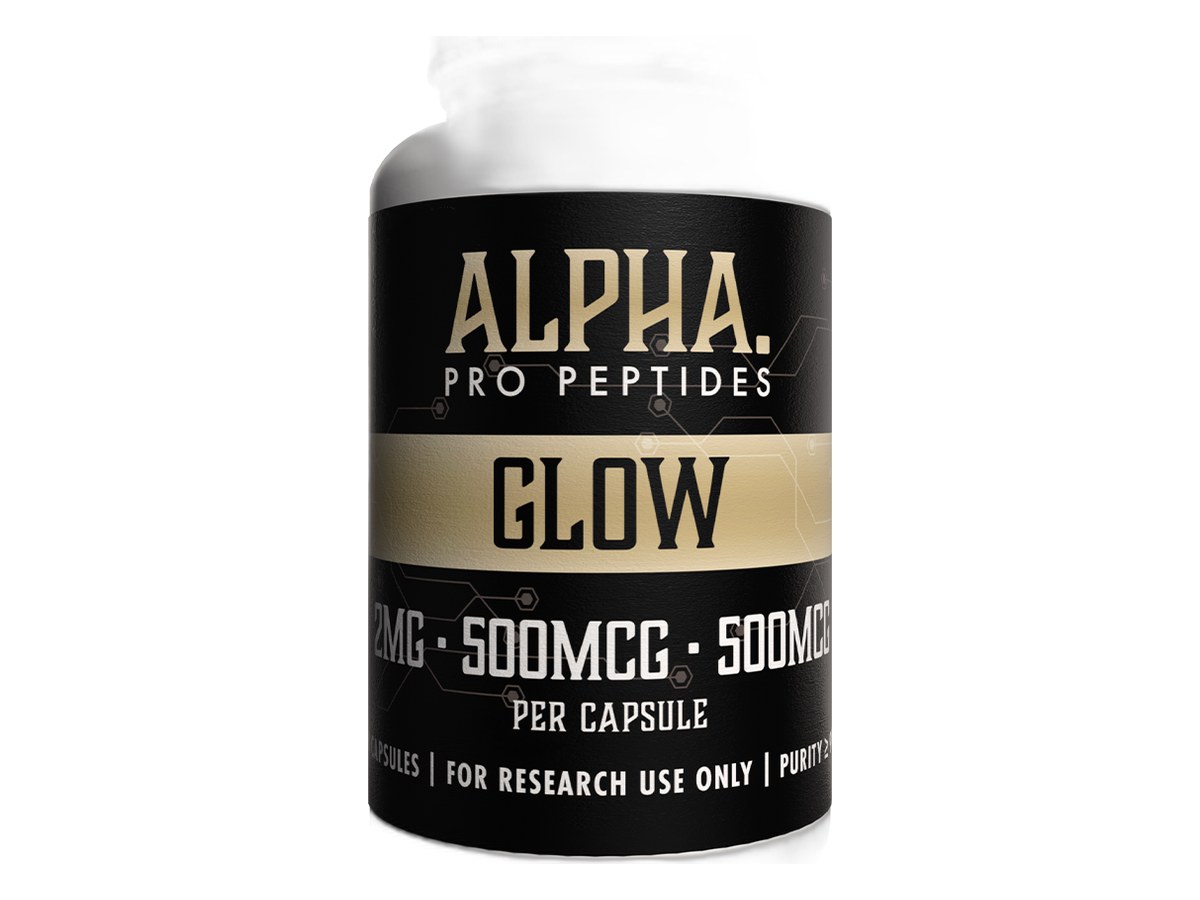
BPC-157 / TB-500 (Oral) · BPC 500mcg + TB500 500mcg × 100 capsules
BPC-157 / GHK-Cu / TB-500 / KPV Blend
TB-500 / BPC-157 / KPV Blend
BPC-157 10MG
BPC-157 10mg
Related Compounds
All content on this page is for in-vitro research purposes only. Not intended for human or animal use. Consult a licensed professional before handling research chemicals. No content on this page constitutes medical advice or a treatment recommendation.
← Back to Peptide Library