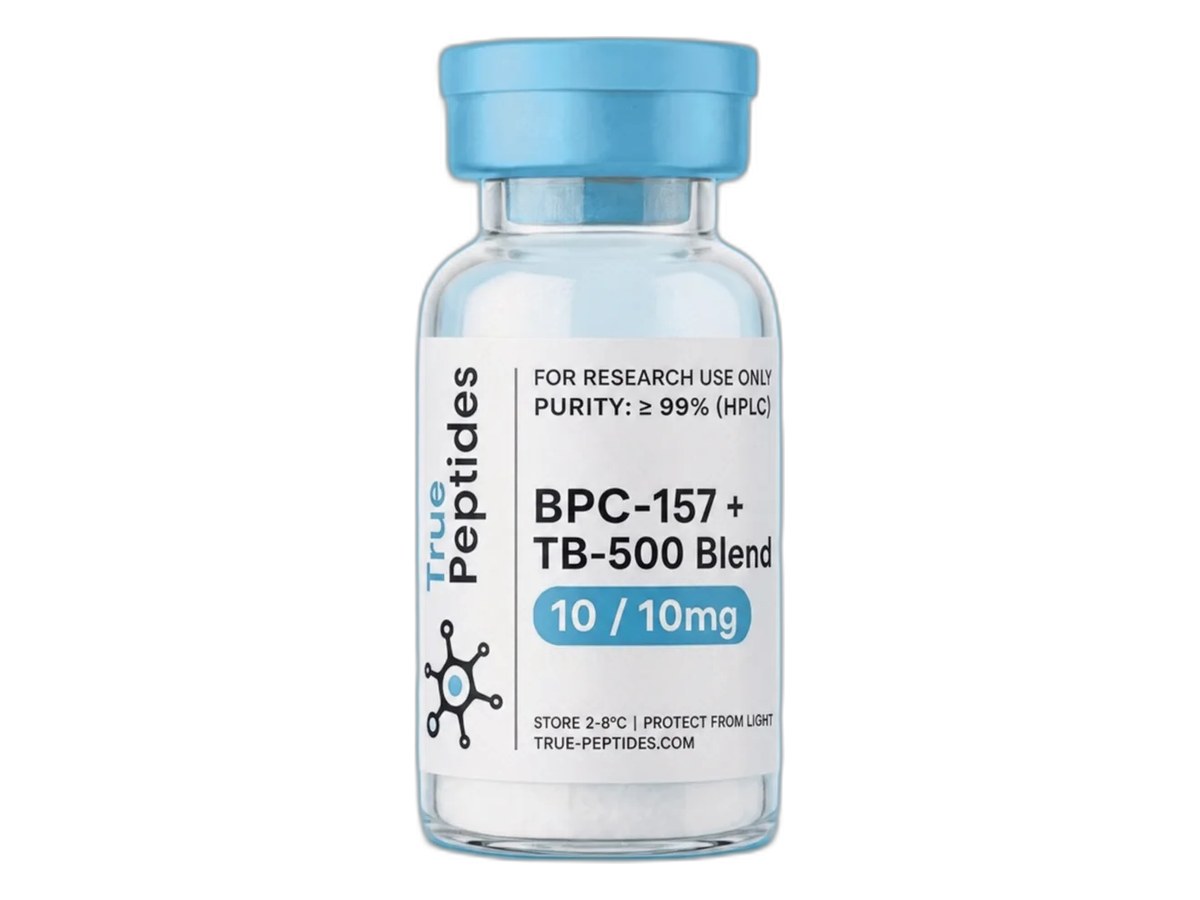
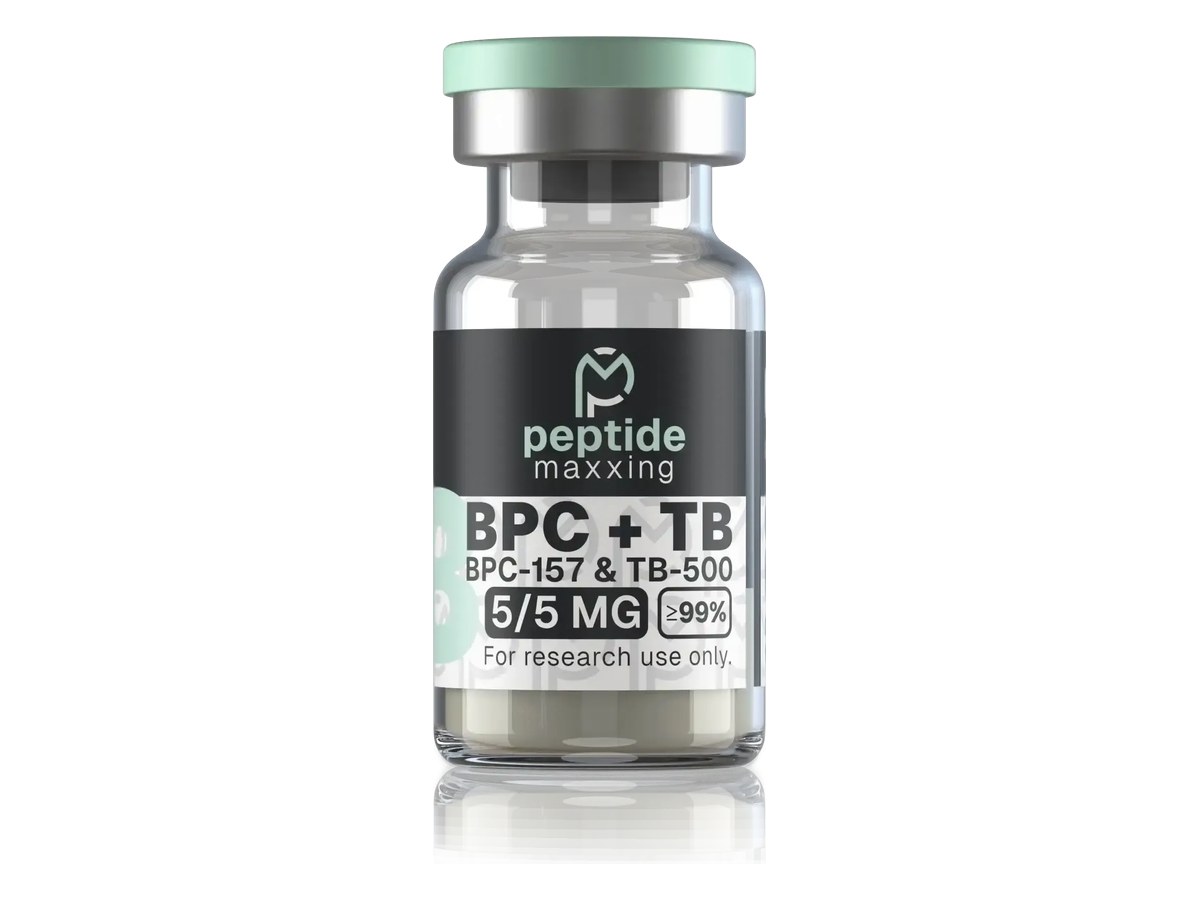
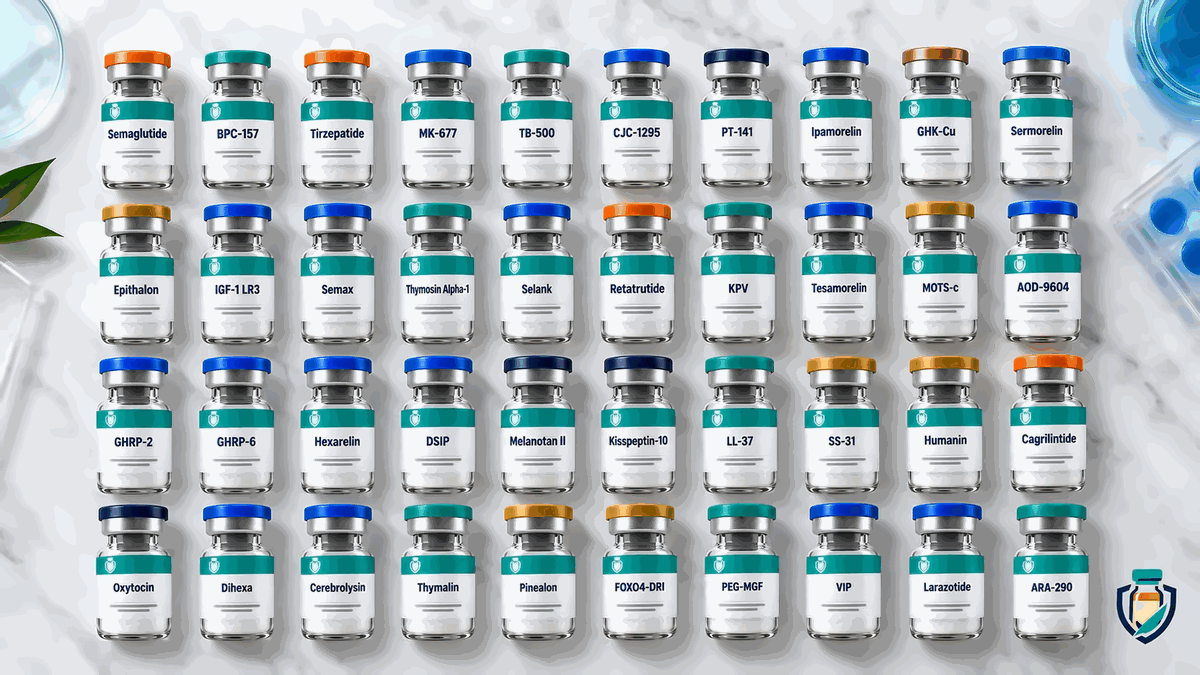
The blend exists because two separate research literatures grew up around the same repair questions. BPC-157 research began in the early 1990s at the University of Zagreb, where Predrag Sikiric and colleagues studied a protective factor from gastric juice across tendons, muscles, gut, and nerves in animal models. Thymosin beta-4, the parent protein of TB-500, was studied over the same decades for actin regulation, cell migration, and wound repair in skin, eye, and heart models. As both compounds became staples of tissue-repair research, vendors began offering them pre-mixed in one vial at a fixed ratio. The published record still covers the pair mostly separately: a single controlled rat study has tested the combination directly.